
Hearing aid batteries - Best in Test: Find the right battery for your hearing aid
Having reliable and long-lasting batteries for your hearing aid is essential to continue enjoying the best sound quality and hearing experience. In this article, we will go through the best hearing aid batteries and help you choose the right battery to suit your needs. We will address various aspects such as battery life, cost-effectiveness and environmental impact to give you a comprehensive overview of the best options on the market.
Why is it important to choose the right hearing aid battery?
Choosing the right hearing aid battery is important for several reasons. Firstly, the battery life is crucial to avoid the battery running out unwantedly and hindering your hearing experience. You don't want to be left without a working hearing aid in the middle of an important conversation or during an important event. Secondly, the choice of hearing aid battery can affect the sound quality and volume you experience. Some batteries may offer a more stable sound experience than others, which can be crucial for people with hearing loss.
The different types of hearing aid batteries
There are several different types of hearing aid batteries to choose from. Here are the most common options:
Zinc-air batteries
Zinc-air hearing aid batteries are one of the most popular types of hearing aid batteries on the market. They are known for their long life and reliable performance. Zinc-air batteries are also relatively cheap and readily available. They work by the air activating the zinc in the battery, which generates the necessary current to power the hearing aid.
Lithium-ion batteries
Lithium-ion batteries have become increasingly common in the hearing aid world due to their high energy density and long life. They are compact and lightweight, making them ideal for modern hearing aids. Lithium-ion batteries also have the advantage of being rechargeable, which can be beneficial for people who want to avoid buying and replacing batteries regularly.
Nickel metal hydride batteries
Nickel metal hydride (NiMH) batteries are another type of hearing aid battery that has become popular. They offer a good balance between performance and cost. NiMH batteries are also more environmentally friendly than some other options as they do not contain mercury.
Silver oxide batteries
Silver oxide batteries are also used in the hearing aid industry, although they are not as common as zinc-air or lithium-ion batteries. They have a stable voltage output and a long lifespan, making them a reliable option for people who want continuous use of their hearing aids.
The best hearing aid batteries
When it comes to choosing the best hearing aid batteries, there are a few brands that stand out in the market. Here are our top picks:
Accessory Line International
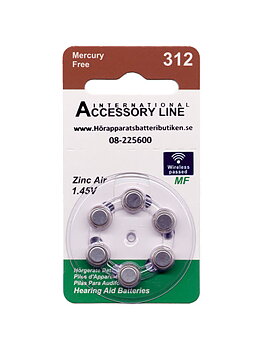
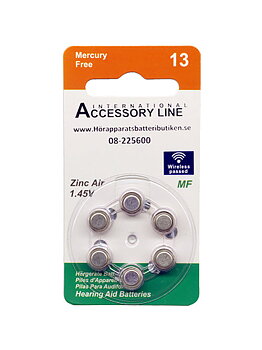
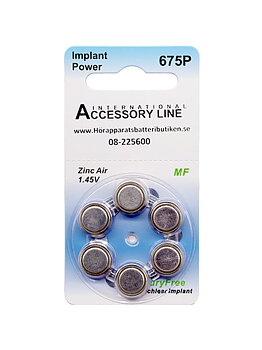
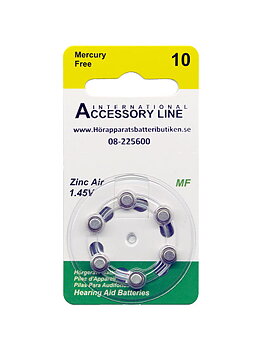
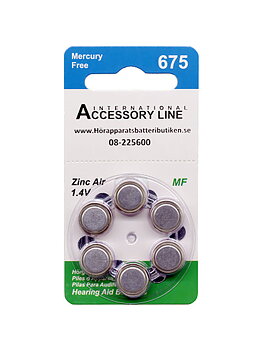
Accessory Line International hearing aid batteries are produced in the same factory as Rayovac, a company that specializes in batteries. They are hearing aid batteries with the same quality as Rayovac but at a very affordable price - they are the Hearing Aid Battery Store's most popular battery and win the test thanks to the combination of price, high quality and good compatibility.
Rayovac
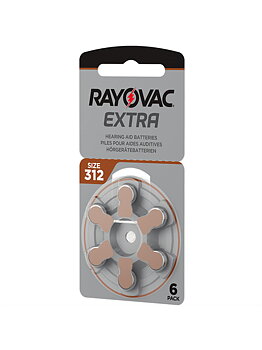
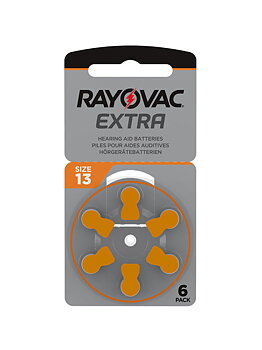
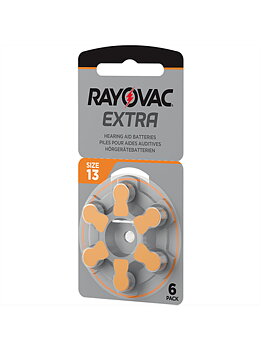
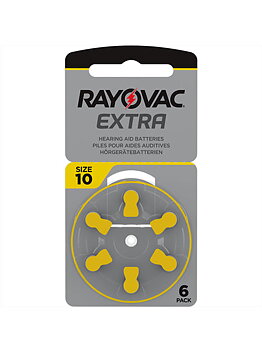
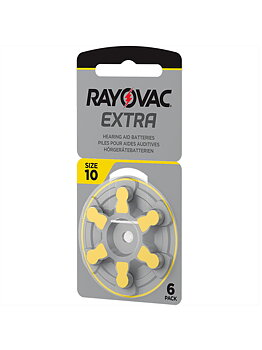
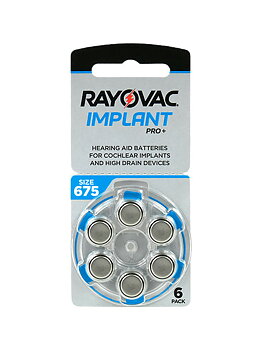
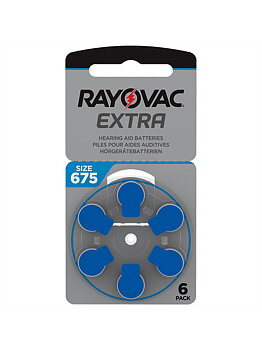
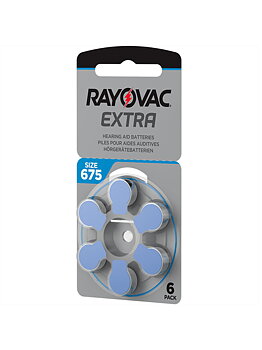
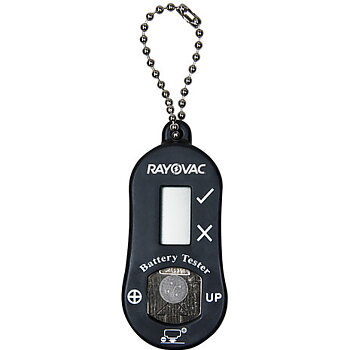
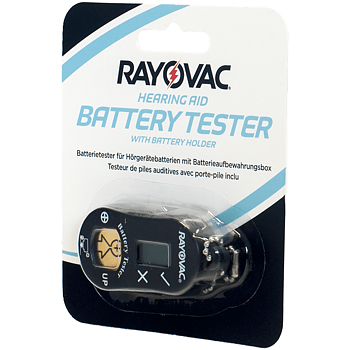
Rayovac is a company that specializes in batteries and energy products, and their hearing aid batteries are very popular. Rayovac hearing aid batteries offer outstanding longevity and performance at an affordable price. They are also compatible with most hearing aid models on the market.
Energizer
Energizer is known for its reliable and high-performing batteries in various fields, and their hearing aid batteries are no exception. Energizer batteries offer a consistent power supply and long life. They are available in different sizes to fit different types of hearing aids.
Duracell
Duracell is another well-known brand that offers high-quality batteries. Their hearing aid batteries are known for their long life and reliable performance. Duracell batteries have a stable voltage level, providing a smooth and clear sound experience.
Panasonic
Panasonic is a well-known brand in the electronics industry and their hearing aid batteries are of high quality. Panasonic batteries have a long-lasting power supply and provide a stable sound experience. They are a reliable choice for people looking for durable batteries for their hearing aids.
How to choose the right hearing aid battery for your needs
When choosing the right hearing aid battery, it's important to consider your individual needs and preferences. Here are some factors to consider:
Battery life
Battery life is an important factor to consider. If you use your hearing aids for long periods of time each day, it may be beneficial to choose a battery with a longer lifespan to avoid frequent battery changes.
Battery size
Hearing aids come in different sizes, and it's important to choose a battery that fits your specific model. Make sure to check your hearing aid manual or consult your hearing care professional to get the right size.
Cost-effectiveness
The price of hearing aid batteries can vary depending on the brand and type. Compare prices and consider the cost-effectiveness of the different options. Sometimes it can be worth investing a little more in a high-quality battery that offers longer life and better performance.
Environmental impact
If environmental impact is important to you, you may want to choose a hearing aid battery that is environmentally friendly. Some batteries are recyclable and do not contain harmful substances like mercury.
Tips to extend battery life
To maximize battery life and get the most out of your hearing experience, follow these tips:
- Turn off your hearing aid when not in use to save battery energy.
- Store batteries in a cool, dry place to avoid overheating and corrosion.
- Clean your hearing aids regularly to avoid dirt and moisture affecting battery performance.
- Schedule battery changes regularly to avoid losing power at inopportune times.
- Make sure to have spare batteries available for emergencies.
Frequently asked questions about hearing aid batteries
What type of hearing aid battery lasts the longest?
Battery life can vary depending on factors such as hearing aid power consumption and usage patterns. Generally speaking, lithium-ion batteries have a longer lifespan compared to zinc-air batteries.
Can I recycle hearing aid batteries?
Yes, many hearing aid batteries are recyclable. Please check local recycling facilities or hearing aid stores to safely dispose of your used batteries.
How do I know when it's time to change the battery in my hearing aid?
Most modern hearing aids have a warning signal indicating low battery. You may also notice that the sound becomes weak or that the hearing aid is not working properly when the battery is running low.
What is the difference between zinc-air batteries and lithium-ion batteries?
Zinc-air batteries work by air activating the zinc in the battery, while lithium-ion batteries use lithium ions to generate power. Lithium-ion batteries typically have a longer lifespan and higher energy density than zinc-air batteries.